
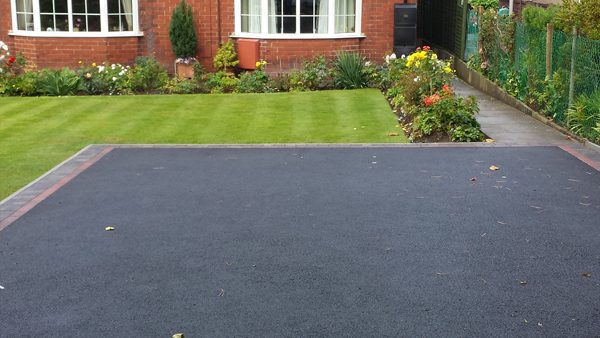
The presence of a driveway may be both a blessing and a curse for those of us who are fortunate enough to have the space. A well-built driveway should survive for a very long time, but one that begins to crumble or was poorly built may be expensive to repair or replace. A neglected driveway will quickly turn into a weedy patch, which is unattractive from the outside.
Impermeable asphalt, commonly known by the brand name Tarmac, may seem like a cost-effective alternative, but it won’t always be appealing to everyone in terms of appearance and some people worry about drainage, two major factors to consider when building a new driveway. In fact, it has been said that inadequate driveway drainage as one of the factors contributing to the rise in localised flooding that has occurred in the UK over the previous 5-10 years, prompting the introduction of new regulations.
Driveway Regulations
Any new driveway that eliminates a front garden must be constructed out of a permeable material, such as gravel. The majority of the time, they fall under permitted development and do not require any planning permission but it is always a good idea to double-check with a builder or your council before you begin work because some local authorities will have their own rules, especially when it comes to listed buildings or preservation areas. In order to establish a new driveway access for your home, you will typically require authorisation to drop a kerb.
Even if you have a Ferrari, a country house, and a driveway that needs its own postcode, the crunch of gravel under your tyres is always gratifying. However, in more metropolitan areas, you could find the mess to be inconvenient. Because of this, many individuals choose tarmac driveways when searching for something that makes a statement with ease.
Block Paving
Modern block-paved driveways frequently rest on a permeable mesh that not only offers drainage but also controls weed growth. This is a reliable choice for driveways of any size, but it can be pricey and is definitely not something you should try as a DIY project. Even a small, single-car driveway that is professionally paved can cost upwards of £3,000.
Resin Bound
A resin-bonded drive is the only option for those seeking something a little more remarkable, whether for a brand-new driveway or to replace an old one. Due to the little stones’ sealing, this surface has the appearance of a gravel driveway without any of the clutter. You don’t need to sweep up gravel or bark chips once a week because the surface is still permeable. The ability to connect any stone or finish into the resin finish is another benefit of this type of driveway. If you want to go all out, you may use crystals, coloured stones, or luminous finishes.
Other Options
Having a permeable base coated in bark chips may be a less expensive and more environmentally friendly choice. In that it can spread around the garden, this does share some of the same issues as gravel. However, it is not too expensive to occasionally top off on the chippings themselves. This can still cost more than £1,500, but it’s simpler to start and keep up than a parking space that is only green.
Although it may appear that you are simply parking in your garden, you are actually in a landscaped area that has been planted with plants that hold the soil together so that it is sturdy enough for you to park your 4×4 while yet allowing the rain to soak into the ground. This can be made entirely with plant materials or combined with a few slabs or stones. Looking for a professional to assist you in creating a new driveway? Find an experienced and reliable driveway specialist in Mansfield, Chesterfield and the surrounding areas. Contact us today.